Compare Local Contractors for Effective Wildlife Removal Services
Compare local contractors for wildlife removal to define scope, verify experience, and set clear expectations, ensuring a reliable and effective property solution.
Wildlife removal service contractors typically handle the safe and humane exclusion of animals such as raccoons, squirrels, bats, and birds from residential and commercial properties. Their work often involves inspecting structures for entry points, installing exclusion devices, sealing openings, and sometimes removing animals that have already entered the premises. Properly addressing wildlife issues requires a clear understanding of the specific animals involved, the extent of the infestation, and the property's unique features. Defining the scope of work upfront helps ensure that both property owners and contractors are aligned on what tasks are included, reducing the risk of misunderstandings and ensuring the job is completed thoroughly.
When comparing local contractors for wildlife removal, it's important to evaluate their experience with similar projects and their approach to defining the scope of work. Property owners should ask how each service provider plans to handle the removal process, what methods they use to ensure animals are humanely excluded, and whether they include repairs or sealing of entry points. Verifying that contractors have a consistent process and a clear plan can help prevent incomplete work or recurring issues. Additionally, reviewing the scope of services in writing provides a record of what is expected, helping to avoid surprises and ensuring that all necessary steps are covered.
To make an informed choice among local contractors, property owners should consider how each service provider communicates their process and scope of work. Comparing the details of what each contractor offers-such as inspection procedures, exclusion techniques, and follow-up measures-can clarify differences in service quality and thoroughness. It’s useful to ask for detailed descriptions of their approach and to confirm that their methods align with the specific wildlife challenges faced on the property. By focusing on the clarity of scope and the experience demonstrated in their approach, property owners can select a contractor equipped to handle the job effectively and reliably.
Compare local contractors by outlining your priorities, verifying their experience, and setting clear expectations in writing.
- Compare Contractor Experience - Review the background and scope of services offered by local service providers.
- Define Project Scope Clearly - Establish specific details of wildlife removal work to set accurate expectations.
- Verify Qualifications and References - Check credentials and previous work to ensure reliable service providers.
- Document Agreements in Writing - Ensure all project details and expectations are confirmed through written communication.
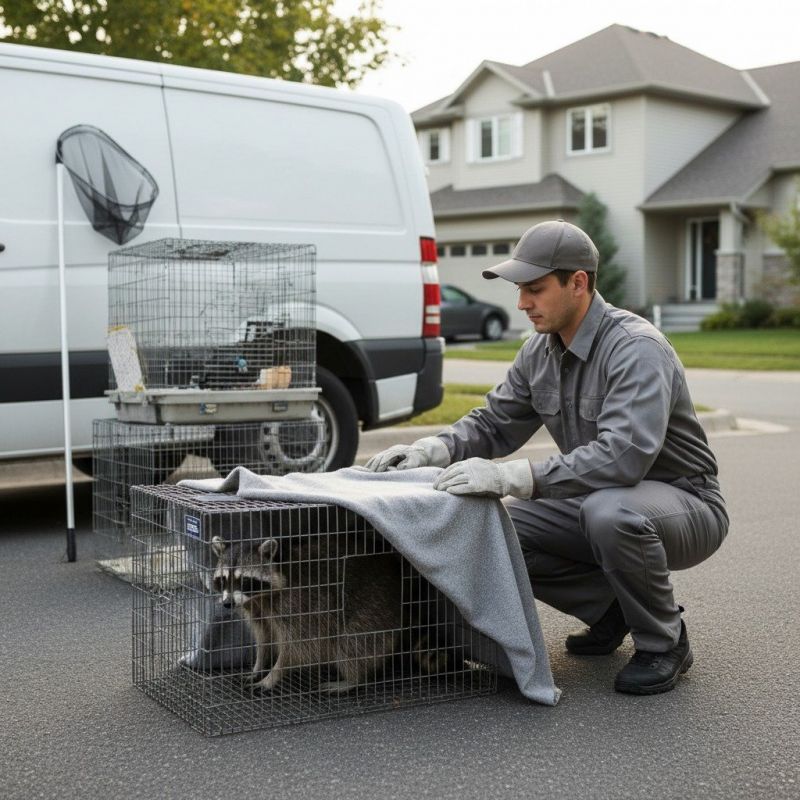
Clearly describe your wildlife removal project to help local contractors understand the scope before comparing options and setting expectations.
- Verify experience and expertise in wildlife removal specific to the species involved. - Ensure service providers have a proven track record handling similar wildlife issues.
- Define the scope of work clearly in writing, including removal methods and follow-up procedures. - Clarify what tasks are included and what steps will be taken to prevent future entry.
- Check for proper removal techniques that prioritize humane treatment and safety. - Confirm that contractors use methods that are effective and adhere to safety standards.
- Request detailed descriptions of the removal process and any exclusion or repair work involved. - Make sure all aspects of the job are outlined and agreed upon beforehand.
- Compare multiple local contractors to assess their experience, scope, and approach to wildlife removal. - Use comparison to select service providers that best meet specific needs.
- Ensure all work expectations and responsibilities are documented in a written agreement. - Protect the project by having clear, signed documentation of the agreed-upon scope.
Compare local contractors, clarify scope, verify experience, and set clear expectations in writing.
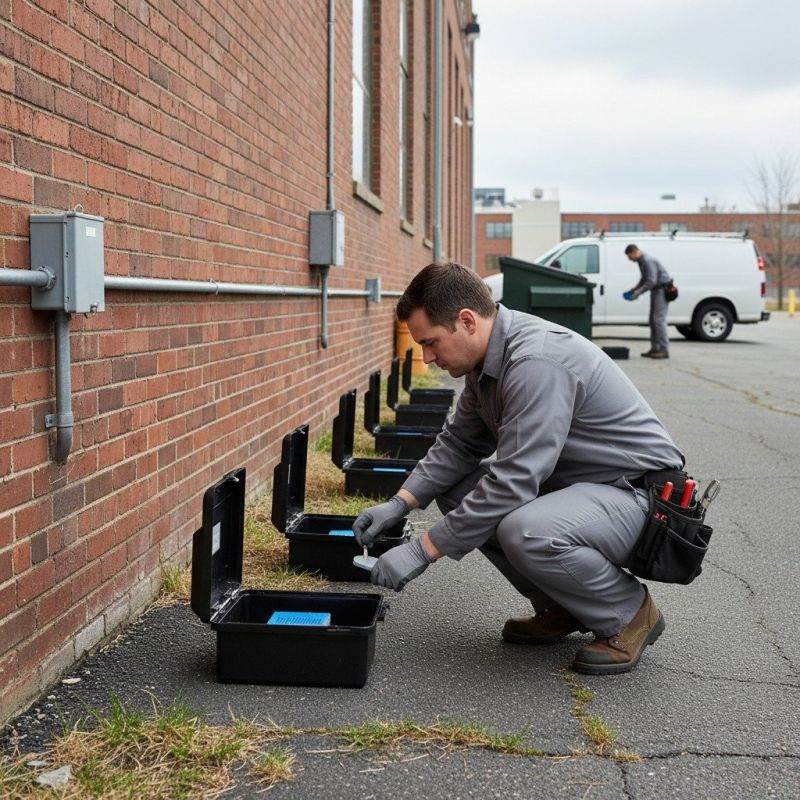
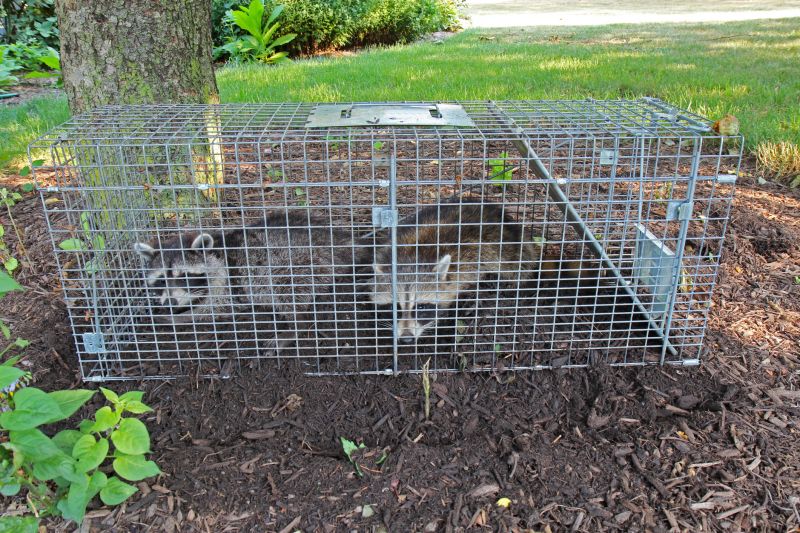
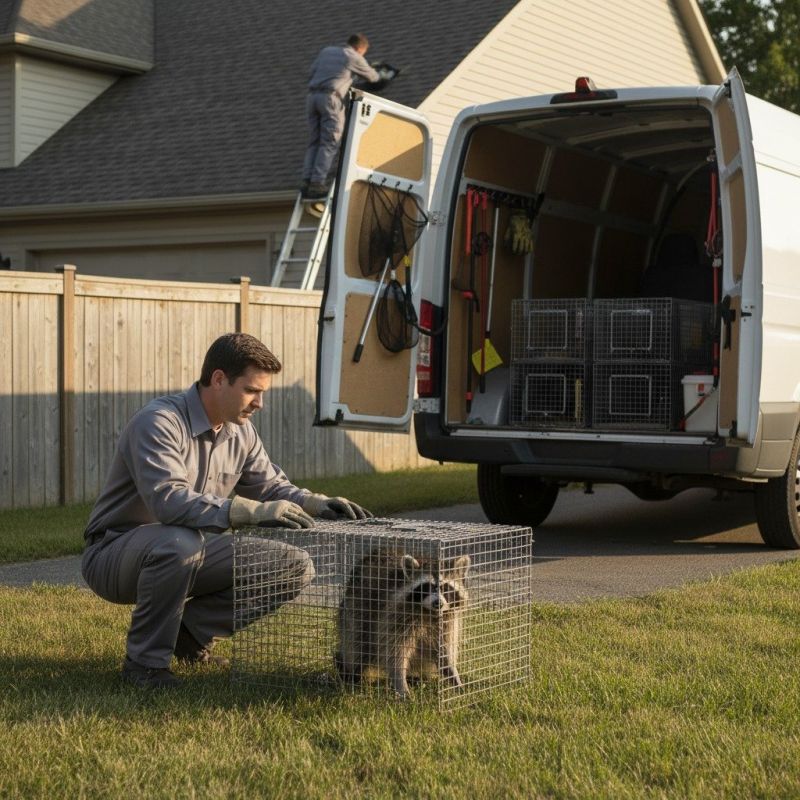
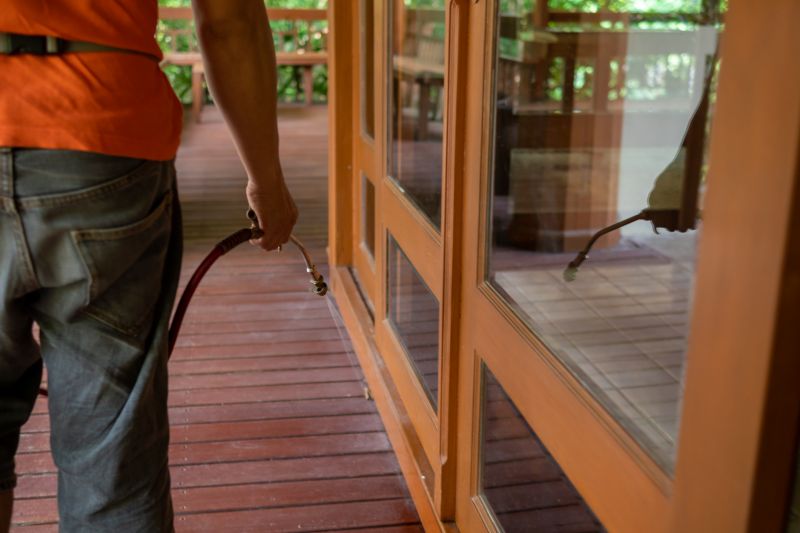
Use this scope builder to compare wildlife removal contractors, verify experience, and clearly define service expectations.
- Define the scope of wildlife removal services needed to ensure clarity on the types of animals and areas involved.
- Identify the experience and expertise of local contractors in handling wildlife removal specific to the target species.
- Determine the methods and procedures that will be used during the removal process to align with safety and effectiveness standards.
- Establish clear expectations and responsibilities in writing to prevent misunderstandings and ensure accountability.
- Compare the credentials, reviews, and reputation of different service providers to select the most suitable wildlife removal contractor.
When comparing wildlife removal contractors, it’s important to consider their experience with similar projects. Homeowners should inquire about the types of wildlife they have handled in the past and whether they have worked in environments similar to their own property. An experienced service provider will be familiar with the common challenges associated with wildlife issues and will have a track record of effectively resolving these situations. This background can help ensure that the contractor understands the nuances of different animal behaviors and knows how to address them safely and efficiently.
A clear, written scope of work is essential when evaluating wildlife removal services. Homeowners should seek detailed descriptions of what the contractor will do, including inspection procedures, removal methods, and any follow-up or prevention measures. Having this information in writing helps set clear expectations and provides a record of the agreed-upon tasks. It also allows for easier comparison between contractors, ensuring that each one offers a comprehensive plan tailored to the specific wildlife concerns on the property.
Verification of a contractor’s basics is a key step in the selection process. Homeowners should verify that the service provider has appropriate experience with similar projects, as well as a thorough understanding of local wildlife species. Confirming that the contractor has a history of successful removals and a good reputation within the community can provide additional confidence. While licensing and certification are not discussed here, it’s still advisable to check references or reviews to gather insights into the reliability and professionalism of the service provider.
Evaluating options without focusing on prices involves assessing the quality of service and the professionalism of each contractor. Homeowners should compare how well each provider’s scope aligns with their needs, the clarity of their communication, and their approach to wildlife removal. Asking questions about their methods, experience, and what is included in their services can help identify the most suitable choice. By focusing on these aspects, homeowners can make informed decisions based on expertise, transparency, and the ability to meet specific wildlife removal requirements.
Ask contractors to provide written scope descriptions to ensure clarity and consistency in the wildlife removal process.
- **Scope of Work Clarification** - What specific wildlife removal services are included in the contractor’s scope?
- **Experience and Expertise** - How long has the contractor been handling wildlife removal in this area?
- **Methods and Procedures** - What techniques and tools do the service providers typically use for wildlife removal?
- **Scope of Responsibility** - Does the contractor handle both removal and exclusion to prevent future issues?
- **Written Agreement** - Are the details of the scope and procedures documented in a formal contract?
How can I compare wildlife removal contractors effectively? To compare contractors, review their scope of services, verify their experience with similar wildlife issues, and ensure they provide clear, written estimates outlining the work to be performed.
What should I consider when defining the scope of wildlife removal work? Clearly outline which animals need to be removed, the extent of the infestation, and any necessary repairs or prevention measures to ensure the scope matches your specific situation.
How do I verify a contractor's experience in wildlife removal? Ask for details about their past projects, types of wildlife handled, and any references or case studies that demonstrate their expertise in the field.
Why is it important to get the scope and expectations in writing? Having a written agreement helps prevent misunderstandings, clarifies what work will be done, and sets clear expectations for both parties involved.
What questions should I ask a wildlife removal contractor before hiring? Inquire about their experience, the methods they use, the scope of work included, and how they handle follow-up or prevention measures after removal.
How can I ensure a wildlife removal contractor is suitable for my needs? Review their qualifications, compare their service offerings, verify their experience, and confirm that they can provide a detailed written plan for the work required.
This overview has highlighted the importance of understanding the scope of wildlife removal projects, verifying the experience of service providers, and establishing clear expectations through written agreements. By comparing local contractors, homeowners can better identify options that align with their specific needs and ensure a smooth process. Using the quote form allows for straightforward access to multiple service providers, making it easier to evaluate and choose the right professionals for the job.
Taking the time to explore and compare different contractors can help clarify the services offered and set the foundation for a successful wildlife removal project. The quote form provides a convenient way to connect with experienced local service providers who can handle the work. This approach supports making informed decisions by reviewing options side-by-side before selecting a contractor to work with.